Croatia is home to eight national parks, each offering a completely different landscape and experience. While many visitors immediately think of Plitvice Lakes, the country also protects mountain ranges, forests, island archipelagos, river canyons and some of the Adriatic’s most beautiful natural scenery.
How to choose the right national park?
The best national park depends on your itinerary. Travellers looking for waterfalls will naturally enjoy Plitvice or Krka, while hikers should focus on Paklenica or Northern Velebit.
If you are staying near Dubrovnik, Mljet is an excellent day trip, while Kornati is perfect for visitors who enjoy exploring by boat.
1. Plitvice Lakes National Park
- Best for first-time visitors
- Located in continental Croatia: Lika-Senj County (near Bosnia&Herzegovina border)
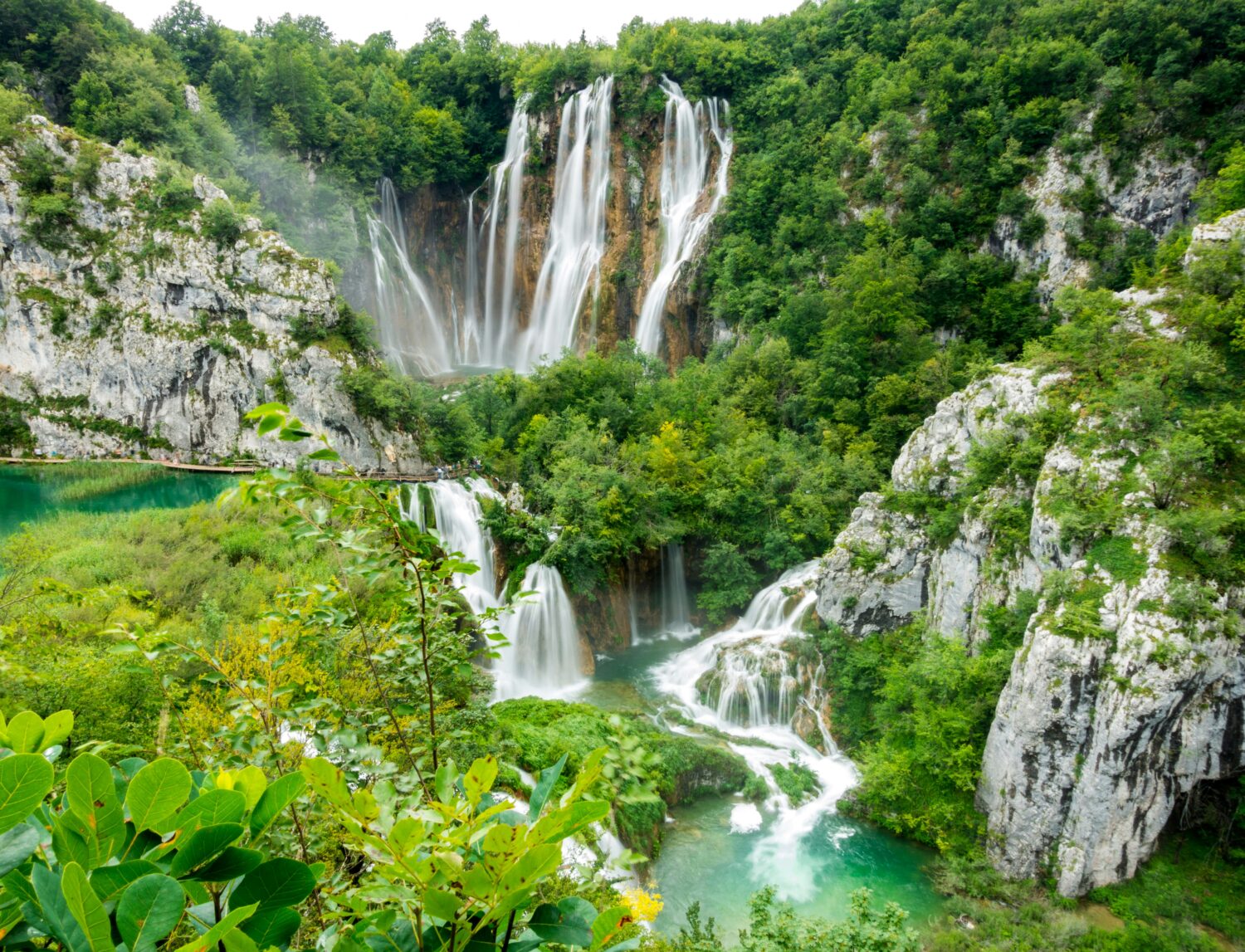
Plitvice Lakes National Park is Croatia’s most famous national park and one of the country’s most recognisable natural attractions. Known for its turquoise lakes, cascading waterfalls, and wooden boardwalks, it is often the first national park international visitors add to their itinerary.
Despite its popularity, Plitvice rarely disappoints. The park is much larger than many people expect, with a network of walking trails that wind through forests, across lakes, and alongside dozens of waterfalls.
Because vehicles are not allowed inside the park, exploring Plitvice means spending several hours on foot. Electric boats and panoramic trains help connect different sections, but walking remains an essential part of the visit.
How long should you spend here?
Plan to spend one full day at Plitvice Lakes National Park.
While shorter routes are available, most visitors find that four to six hours disappear surprisingly quickly. Between the walking trails, scenic viewpoints, boat crossings, and countless photo opportunities, rushing through the park often means missing some of its most memorable areas.
If you’re visiting during the peak summer season, arriving early in the morning is highly recommended. You’ll enjoy cooler temperatures, quieter boardwalks, and a much more relaxed experience before larger tour groups arrive.
Best for
Families: Plitvice is an excellent choice for families with older children who enjoy walking and spending time outdoors. The well-maintained boardwalks make the park easy to navigate, although parents with very young children should keep in mind that there are plenty of steps and uneven surfaces in certain sections.
Couples: Few places in Croatia are as peaceful as Plitvice during the quieter parts of the day. Walking together through forests, following wooden pathways across crystal-clear lakes, and stopping at panoramic viewpoints makes it a popular destination for couples looking to spend a day surrounded by nature.
Photographers: Whether you’re using a professional camera or simply taking photos on your phone, Plitvice offers countless opportunities throughout the park. Waterfalls, reflections on the lakes, changing seasonal colours, and early morning mist all create dramatically different scenes depending on the time of year. Photographers who arrive shortly after the park opens are usually rewarded with the best light and the fewest crowds.
2. Krka National Park
- Best for combining with the Dalmatian coast
- Located near Šibenik
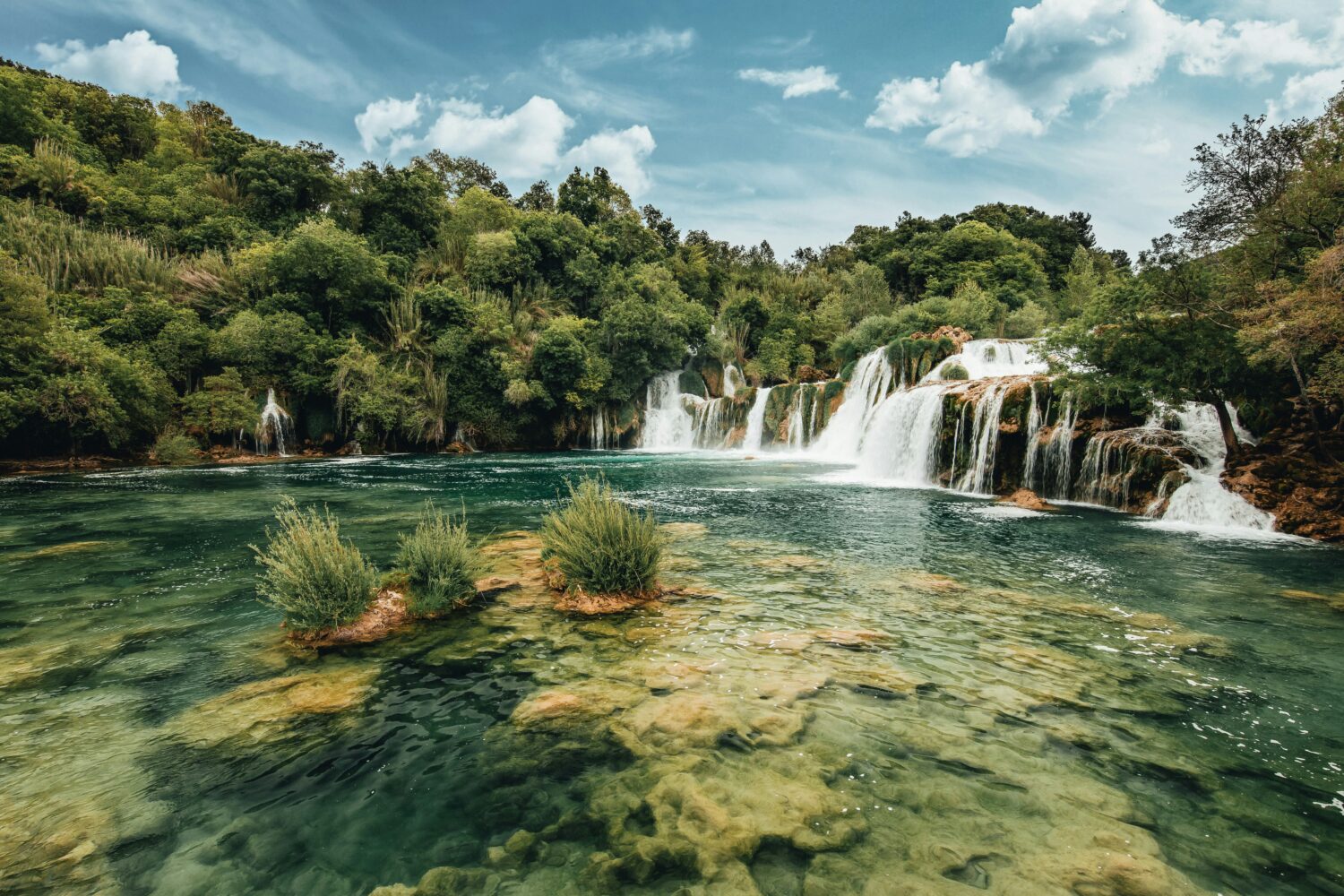
Krka National Park is often compared to Plitvice Lakes, but the two parks offer very different experiences.
While both are famous for waterfalls, Krka is generally easier to include in a coastal itinerary. Located near Šibenik and within comfortable driving distance of Split, Zadar, and the Makarska Riviera, it’s a popular choice for visitors who want to combine nature with a beach holiday.
The park follows the Krka River as it flows towards the Adriatic, passing waterfalls, walking trails, viewpoints, historic sites, and small boat harbours. Rather than focusing on one central attraction, Krka encourages visitors to explore different parts of the park, either on foot or by boat.
One important thing to know is that swimming at Skradinski Buk, the park’s most famous waterfall, is no longer permitted. While many older travel guides still mention it, the rule changed to better protect the fragile ecosystem.
How long should you spend here?
A half-day visit is enough for visitors who simply want to explore Skradinski Buk and enjoy the main walking route.
If you’d like to take one of the boat excursions, visit Visovac Island, or explore several different sections of the park, plan for a full day. The park is spread across a large area, so travelling between locations takes longer than many first-time visitors expect.
Best for
Families: Krka is one of Croatia’s most family-friendly national parks. The wooden walking paths are generally easy to follow, the distances between attractions are manageable, and boat trips add extra variety for younger visitors. Families looking for a nature experience without a particularly demanding hike often prefer Krka over more mountainous parks.
Couples: The combination of waterfalls, rivers, boat rides, and peaceful walking paths makes Krka a relaxing destination for couples. Many visitors spend several hours exploring the park before enjoying lunch in nearby Skradin, one of the most picturesque small towns on the Dalmatian coast.
Photographers: Krka offers excellent photography opportunities throughout the year. Skradinski Buk remains the park’s most photographed location, but the river, wooden bridges, smaller waterfalls, and viewpoints provide plenty of variety. Morning visits usually offer softer light and fewer people, making it easier to capture the landscape without large crowds.
Good to know before you visit
Unlike Plitvice Lakes, Krka has several entrances, so it’s worth deciding which part of the park you want to explore before you arrive.
If you’re travelling by car, parking is available near the main entrances. Visitors arriving in Skradin can also reach the park by boat during the operating season, which many people consider one of the most enjoyable ways to begin their visit.
Because much of the park is exposed to the sun, comfortable walking shoes, water, sunscreen, and a hat are recommended, particularly during the summer months.
3. Mljet National Park
- Best for a peaceful island escape
- Located near Dubrovnik
If you’re looking for a national park where the pace slows down, Mljet is difficult to beat.
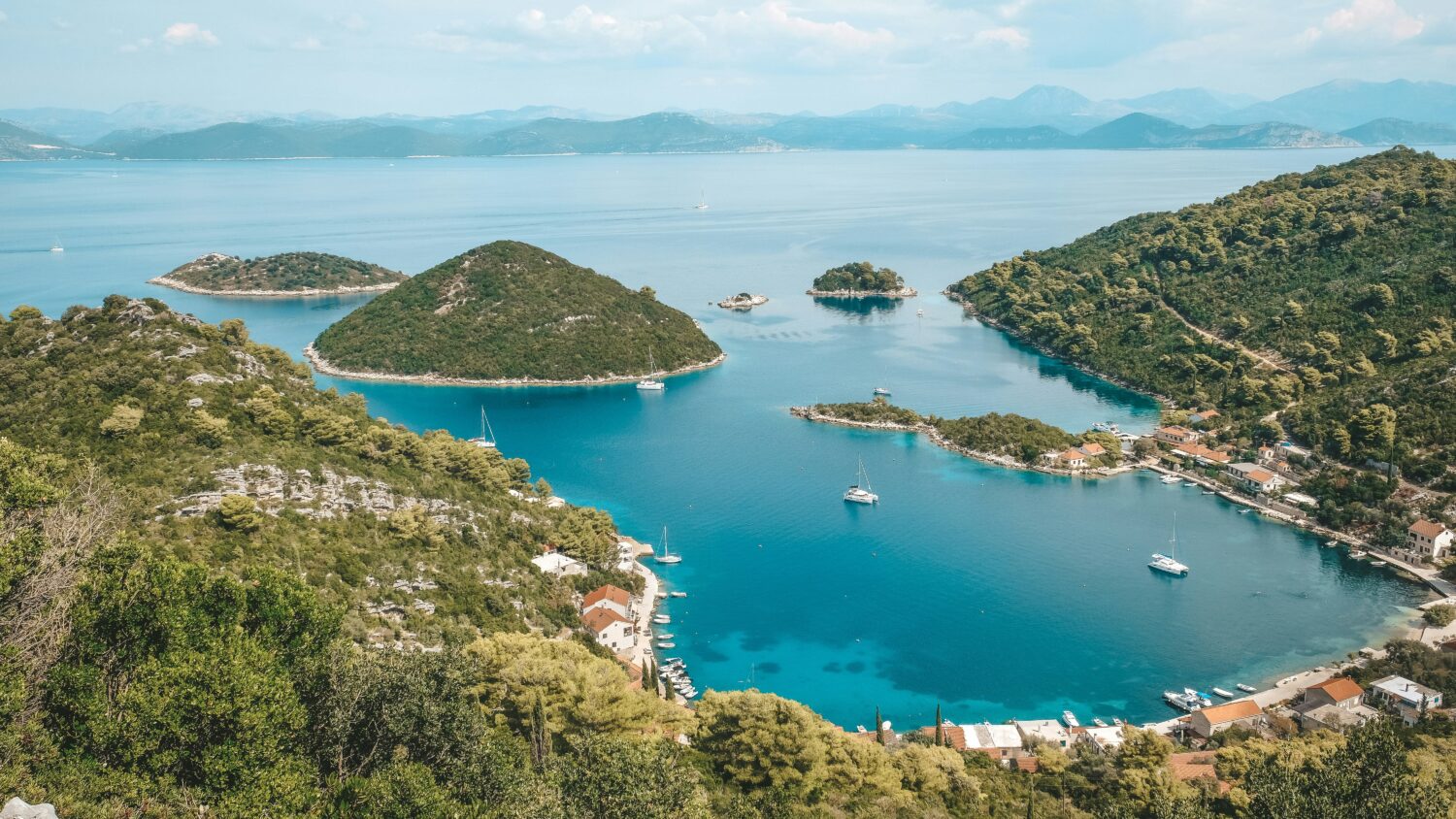
Located on the western side of Mljet Island, this national park feels very different from Croatia’s waterfall parks. Instead of rushing from one viewpoint to another, most visitors spend the day cycling, walking through pine forests, kayaking across the lakes, or simply enjoying the quiet surroundings.
The park is centred around two large saltwater lakes, Veliko Jezero and Malo Jezero, which are connected to the Adriatic by a narrow channel. In the middle of the larger lake sits the small Island of St. Mary, home to a 12th-century Benedictine monastery that can be reached by boat.
Unlike many of Croatia’s national parks, Mljet isn’t about seeing as many attractions as possible. It’s about slowing down and enjoying nature at your own pace.
How long should you spend here?
If you’re travelling from Dubrovnik, a full day is the minimum you should allow.
Although Mljet can be visited as a day trip, the journey itself takes time, and once you arrive you’ll want several hours to explore the lakes, walking paths, and cycling routes. Visitors staying overnight on the island are often able to enjoy a much quieter experience, especially early in the morning or later in the afternoon after day-trippers have left.
Best for
Families: Mljet is an excellent choice for families who enjoy gentle outdoor activities rather than long hikes. The lakes are calm, the cycling routes are easy to follow, and there is plenty of open space for children to explore. Hiring bicycles is one of the most popular ways for families to experience the park.
Couples: For many couples, Mljet is one of the most romantic places in Croatia. The peaceful lakes, shaded forest paths, boat ride to St. Mary’s Island, and slower pace create a completely different atmosphere from Croatia’s busier coastal destinations.
Cyclists and kayakers: Mljet is one of the few Croatian national parks where cycling is one of the main attractions rather than simply an option. The relatively flat paths around the lakes make cycling suitable for most visitors, while kayaks and paddleboards offer another enjoyable way to explore the park from the water.
Good to know before you visit
The national park covers only the western part of Mljet Island, so don’t expect to see the entire island during a single visit.
If you’re travelling from Dubrovnik, ferry schedules should be checked well in advance, particularly outside the main summer season. Renting a bicycle is highly recommended, as it allows you to explore much more of the park without feeling rushed.
Bring swimwear as well. The saltwater lakes are popular for swimming during the warmer months, and many visitors enjoy taking a break in the water before continuing their walk or bike ride.
For travellers staying in Dubrovnik, Mljet National Park is one of the easiest ways to experience a completely different side of southern Croatia without travelling long distances inland.
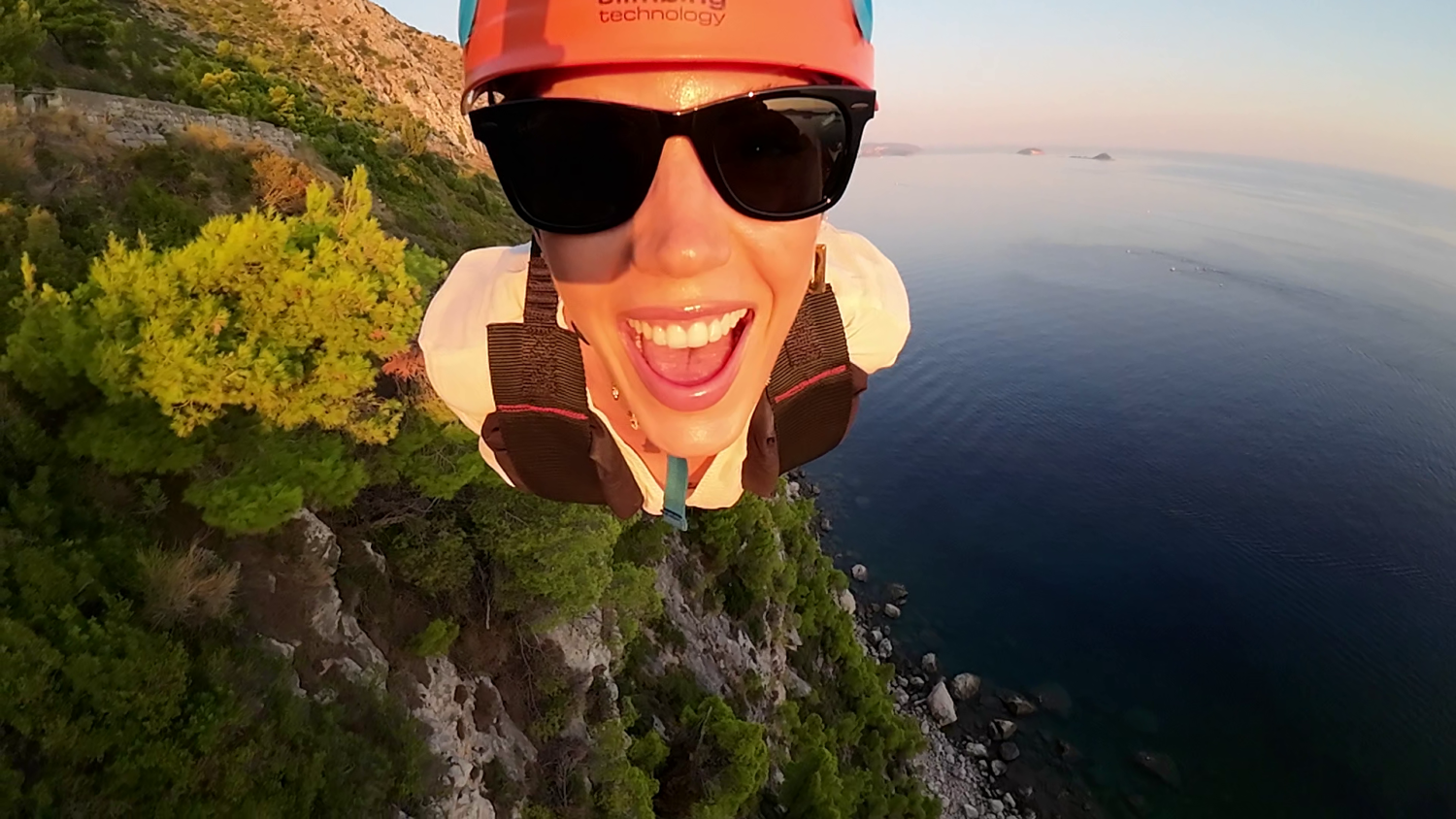
Coming to Dubrovnik? Get your zipline tickets
DU The Wire gives visitors a quick outdoor experience above the Dubrovnik area, with natural surroundings, sea views, and an easy fit into a wider itinerary.
4. Paklenica National Park
- Best for hiking and climbing
- Located near Zadar
If your ideal holiday includes mountain trails rather than beaches, Paklenica National Park should be high on your list.
Located on the southern slopes of the Velebit mountain range, Paklenica is one of Croatia’s premier destinations for hiking, rock climbing, and outdoor adventure. The park is famous for its two impressive canyons, Velika Paklenica and Mala Paklenica, where towering limestone cliffs rise hundreds of metres above the valley floor.
Unlike Plitvice or Krka, Paklenica isn’t a place where visitors simply stroll between viewpoints. The park is designed for people who enjoy spending time on the trails, whether that’s a short walk through the canyon or a full-day mountain hike.
It is also considered one of Europe’s best climbing destinations, attracting experienced climbers from around the world thanks to its dramatic rock faces and hundreds of established climbing routes.
How long should you spend here?
Most visitors should allow one full day to experience Paklenica National Park.
There are several hiking routes to choose from, ranging from easy walks that take a couple of hours to demanding mountain trails that require a full day and a good level of fitness. If you’re only planning to explore Velika Paklenica Canyon, half a day may be enough, but hikers heading deeper into the park should expect to spend significantly longer.
Starting early is recommended, particularly during summer, when temperatures inside the canyon can rise quickly.
Best for
Hikers: Paklenica is one of the best hiking destinations in Croatia. Whether you’re looking for a gentle canyon walk or a challenging mountain ascent, the park offers routes for different experience levels. Well-marked trails make it relatively easy to navigate, but visitors should always choose a route that matches their fitness and available time.
Rock climbers: Few places in Croatia are better known for climbing than Paklenica. The limestone cliffs of Velika Paklenica feature hundreds of climbing routes, ranging from beginner-friendly walls to challenging multi-pitch climbs that attract experienced climbers from across Europe.
Nature lovers: Even visitors who don’t plan on tackling the more demanding trails will appreciate the scenery. The combination of steep cliffs, dense forests, mountain streams, and dramatic canyons creates one of Croatia’s most impressive natural landscapes.
Good to know before you visit
Paklenica requires a little more preparation than some of Croatia’s other national parks.
Comfortable hiking shoes are essential, and visitors planning longer routes should carry plenty of water, snacks, and appropriate clothing. Mobile phone coverage may be limited in certain parts of the park, so downloading maps before your visit is a sensible precaution.
If you’re visiting during the warmer months, an early start not only helps you avoid the hottest part of the day but also makes the hiking experience far more enjoyable.
For travellers who want to experience Croatia beyond its coastline, Paklenica offers one of the country’s most rewarding outdoor adventures.
5. Brijuni National Park
- Best for history, nature, and a slower pace
- Located near Pula
Brijuni National Park offers a completely different experience from Croatia’s other national parks.
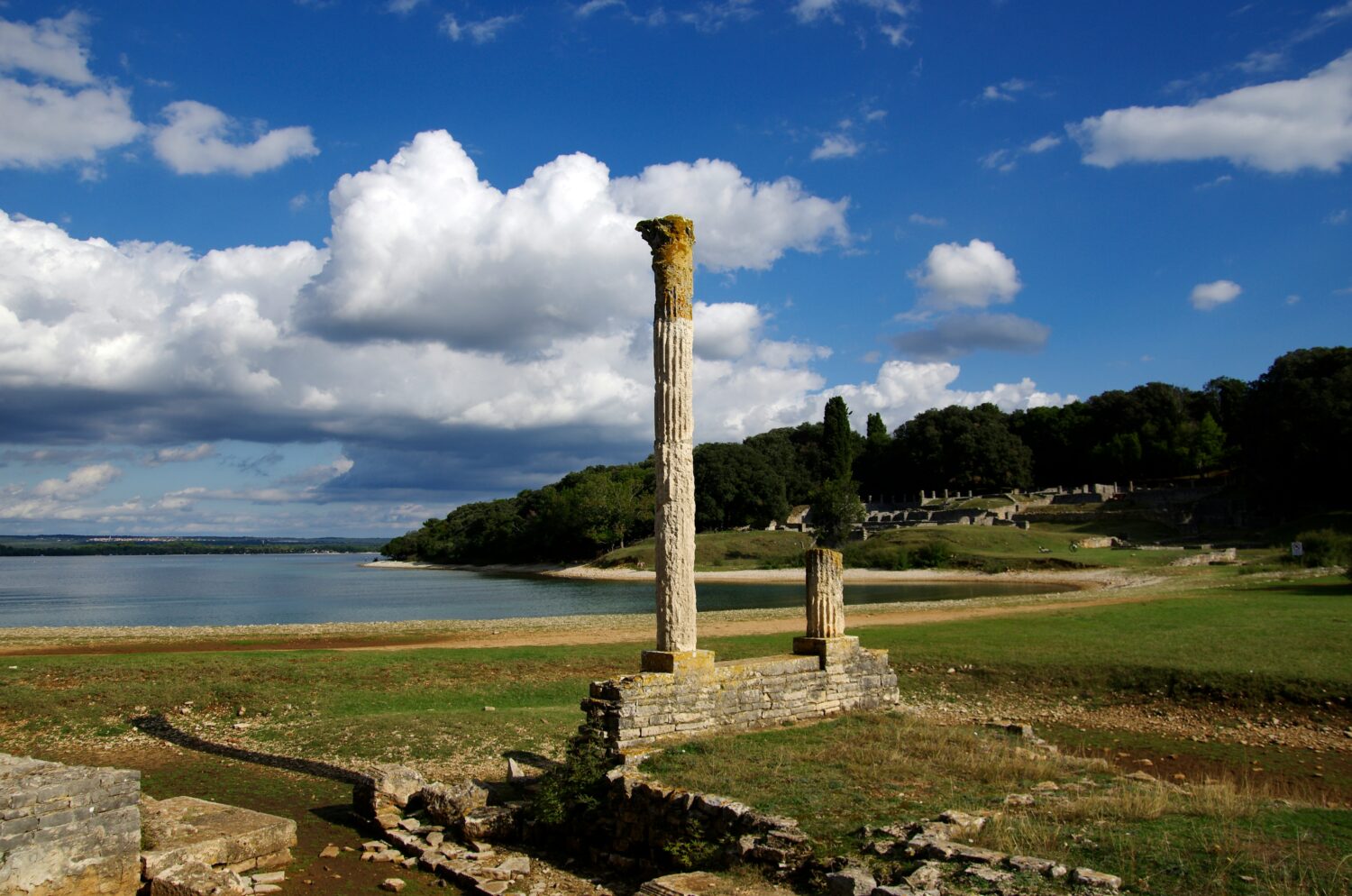
Instead of waterfalls, mountain peaks, or challenging hiking trails, Brijuni is a collection of 14 islands known for their Mediterranean landscapes, archaeological sites, and fascinating history. Located just off the coast of Istria, the park has long been associated with relaxation, conservation, and cultural heritage, making it one of Croatia’s most unique protected areas.
The largest island, Veliki Brijun, is where most visitors spend their time. Here you’ll find scenic cycling routes, shaded walking paths, Roman ruins, historic villas, and one of Croatia’s oldest safari parks. The island is largely traffic-free, creating a peaceful atmosphere that’s very different from the country’s busier coastal resorts.
How long should you spend here?
Most visitors should plan a full day for Brijuni National Park.
The park is reached by ferry from Fažana, and once on the island there is plenty to explore. Guided train tours are popular, but many visitors choose to hire a bicycle or simply explore on foot. Spending a full day gives you enough time to enjoy the island without rushing between attractions.
Best for
Families: Brijuni is one of Croatia’s most family-friendly national parks. The flat terrain makes walking and cycling easy, while the safari park, open green spaces, and train tours are particularly popular with children. Families looking for a relaxed outdoor experience often find Brijuni easier to explore than parks with longer hiking trails.
History enthusiasts: Brijuni has a remarkable history that stretches back thousands of years. Visitors can explore Roman villa remains, Byzantine sites, and historical landmarks while also learning about the island’s role as the summer residence of former Yugoslav president Josip Broz Tito. The museum exhibits and preserved buildings provide an interesting contrast to the park’s natural scenery.
Cyclists and relaxed travellers: Unlike national parks that require hours of hiking, Brijuni is best explored at a slower pace. Cycling is one of the most enjoyable ways to move around the island, allowing visitors to stop at beaches, viewpoints, archaeological sites, and shaded picnic areas whenever they choose.
Good to know before you visit
Access to Brijuni National Park is by ferry from the town of Fažana, with departures operating throughout the tourist season. Because ferry tickets and guided tours can sell out during the summer months, booking in advance is recommended.
6. Northern Velebit National Park
- Best for experienced hikers
- Located near Senj
Northern Velebit National Park is one of Croatia’s wildest and least developed protected areas. Unlike the country’s more famous national parks, visitors don’t come here for waterfalls or sightseeing from easily accessible viewpoints. They come for the mountains.
Part of the Velebit mountain range, the park is known for dramatic limestone landscapes, deep sinkholes, alpine meadows, and panoramic ridgelines overlooking both the Adriatic Sea and Croatia’s mountainous interior. Despite its remote feel, the park is well maintained, with clearly marked trails and several mountain huts for hikers exploring the area.
One of its biggest attractions is the sense of wilderness. Even during the peak summer season, Northern Velebit feels noticeably quieter than Croatia’s better-known national parks.
The famous Premužić Trail
No visit to Northern Velebit is complete without experiencing the Premužić Trail.
Often described as Croatia’s most beautiful hiking trail, this 57-kilometre stone path was built in the 1930s to make the rugged mountain landscape more accessible without requiring difficult climbs. The route follows the natural contours of the mountain, allowing hikers to enjoy spectacular scenery while avoiding steep ascents.
Most visitors don’t attempt the entire trail. Instead, they choose a shorter section that can be completed in a few hours while still experiencing the dramatic viewpoints and unique karst landscape that make the route so famous.
How long should you spend here?
Plan for one full day, although experienced hikers often stay longer to explore more of the trail network.
Unlike parks where the main attractions are concentrated in one area, Northern Velebit rewards visitors who are willing to spend several hours walking through its mountain landscapes. The more time you have, the more of the park you’ll be able to experience.
Best for
Experienced hikers: Northern Velebit is widely regarded as one of Croatia’s premier hiking destinations. The extensive trail network offers routes ranging from moderate walks to demanding mountain hikes, making it particularly attractive for visitors who already have some hiking experience.
Landscape photographers: The park’s elevated viewpoints provide some of Croatia’s most dramatic scenery. On clear days, photographers can capture mountain peaks, dense forests, the Adriatic coastline, and nearby islands all within the same frame. Sunrise and late afternoon are especially rewarding for landscape photography.
Visitors looking to escape the crowds: If your idea of a national park involves quiet trails rather than busy boardwalks, Northern Velebit is an excellent choice. Even during summer, it remains one of Croatia’s least crowded national parks, making it ideal for travellers who enjoy peaceful outdoor experiences.
Good to know before you visit
Northern Velebit is a true mountain environment, so preparation is essential.
Weather conditions can change quickly, even during summer, and temperatures are often significantly cooler than along the Croatian coast. Proper hiking footwear, layered clothing, sufficient water, and offline maps are strongly recommended.
Because facilities inside the park are limited, it’s also worth bringing snacks or a packed lunch, especially if you plan to spend most of the day on the trails.
7. Risnjak National Park
- Best for untouched nature and wildlife
- Located in continental Croatia, Gorski Kotar County (near the border with Slovenia)
Located in the mountainous region of Gorski Kotar between Zagreb and the Adriatic coast, Risnjak National Park protects dense forests, mountain peaks, clear rivers, and a wide variety of wildlife. It offers a completely different landscape from Croatia’s coastal national parks, making it an attractive stop for travellers exploring the country’s interior.
Rather than famous waterfalls or iconic viewpoints, Risnjak is all about experiencing nature in its most natural state. Quiet hiking trails, fresh mountain air, and peaceful forests make it a favourite among visitors who prefer solitude over busy tourist attractions.
How long should you spend here?
A full day is ideal for exploring Risnjak National Park.
The park offers several hiking routes that vary in length and difficulty. Some visitors choose a shorter walk through the forests, while others hike to Veliki Risnjak, the park’s highest peak, which rewards the effort with panoramic views over the surrounding mountains and, on exceptionally clear days, even the Adriatic Sea.
Best for
Nature lovers: Risnjak is one of the best places in Croatia to experience untouched forests and mountain landscapes. The scenery changes with every season, from lush green woodlands in spring and summer to colourful autumn foliage and snow-covered peaks in winter.
Wildlife enthusiasts: The park is home to some of Croatia’s most iconic wildlife, including lynx, brown bears, wolves, deer, and numerous bird species. While spotting large mammals is relatively rare, knowing they inhabit the forests adds to the feeling of exploring genuine wilderness.
Hikers looking for quieter trails: Unlike Plitvice or Krka, where boardwalks can become busy during the summer, Risnjak offers a much more peaceful hiking experience. Even in the high season, it’s common to spend long stretches of the trail without seeing many other visitors.
Good to know before you visit
Risnjak is a mountain national park, so weather conditions can change quickly, especially at higher elevations.
Comfortable hiking shoes, layered clothing, and plenty of water are recommended throughout the year. Mobile phone coverage can be limited in some areas, so downloading offline maps before your visit is a sensible precaution.
Facilities inside the park are relatively limited compared to Croatia’s more popular national parks, which is part of its appeal. Visitors come here to disconnect, enjoy nature, and experience one of the country’s most peaceful protected landscapes.
8. Kornati National Park
- Best explored by boat
- Adriatic Sea, central part
Kornati National Park is unlike any other national park in Croatia.
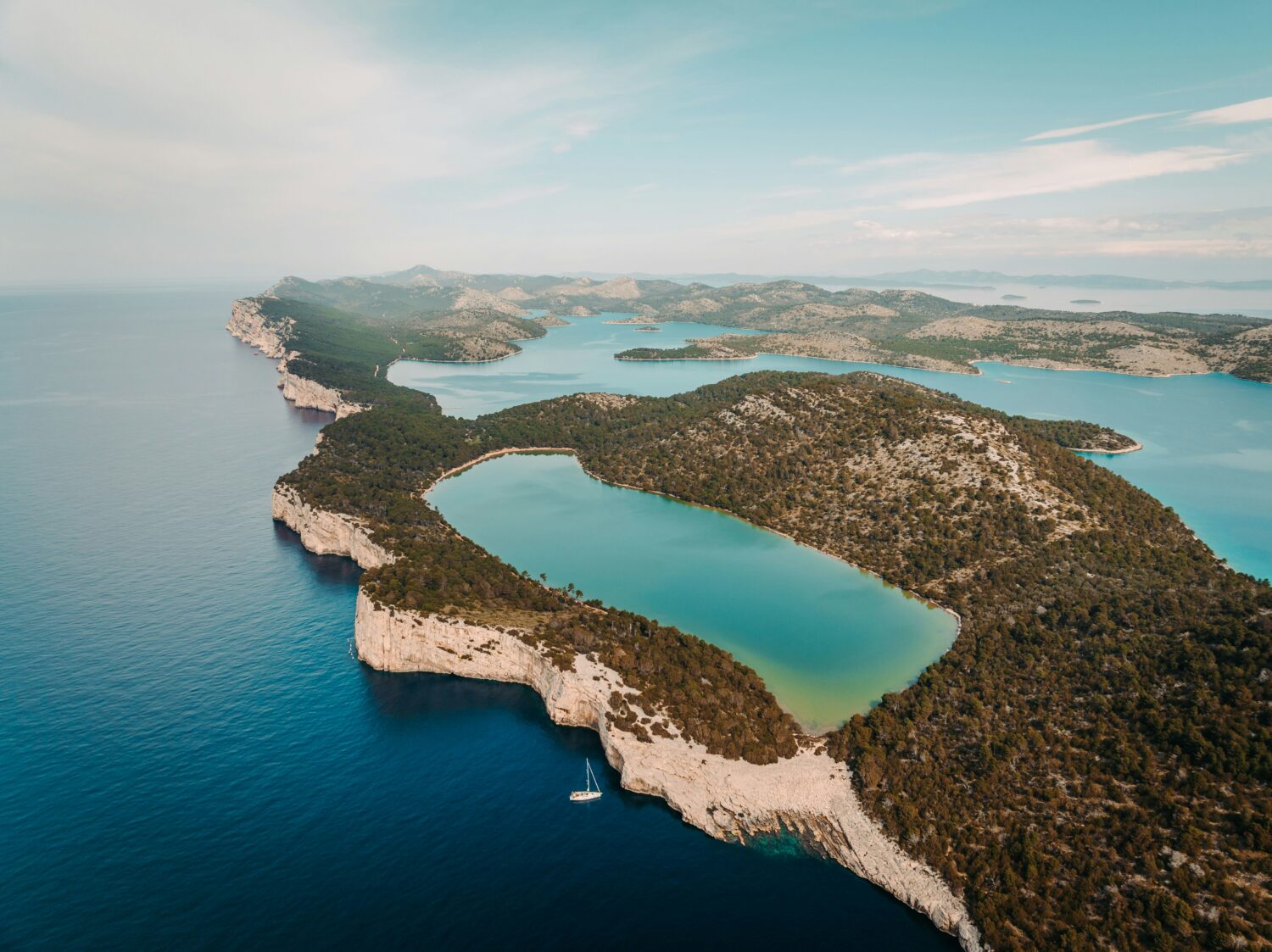
Instead of forests, waterfalls, or mountain trails, the park protects an archipelago of 89 islands, islets, and reefs scattered across the Adriatic Sea. Many of the islands are uninhabited, creating a landscape of rocky cliffs, crystal-clear water, and peaceful bays that feels almost untouched.
Because the islands are spread across a large area, the best way to experience Kornati is from the water. Most visitors join organised boat excursions, which typically include several stops for sightseeing, swimming, snorkelling, and lunch on one of the islands. It’s a completely different type of national park experience, where the journey itself becomes part of the attraction.
How long should you spend here?
A full day is recommended.
Most organised boat trips last between eight and ten hours, allowing enough time to explore different parts of the archipelago without feeling rushed. While private boats offer more flexibility, day tours remain the most popular option for first-time visitors.
Because of the size of the national park, a few hours simply aren’t enough to appreciate what makes Kornati so unique.
Best for
Boat lovers: If you enjoy spending time on the water, Kornati is one of Croatia’s best destinations. Cruising through narrow channels, passing dozens of small islands, and stopping in secluded bays offers an experience that’s completely different from exploring Croatia by road.
Snorkellers and swimmers: The exceptionally clear Adriatic makes Kornati a favourite destination for swimming and snorkelling. Many boat tours stop in sheltered coves where visitors can swim directly from the boat and discover the rich underwater world of the park.
Photographers: Kornati’s landscape is unlike anywhere else in Croatia. The combination of bare limestone islands, steep coastal cliffs, deep blue sea, and constantly changing light creates spectacular photography opportunities throughout the day. The elevated viewpoints on some of the larger islands provide panoramic views across the archipelago that are particularly impressive.
Good to know before you visit
Unlike many national parks, there are very few facilities within Kornati itself. Most visitors remain with their tour group for the day, so it’s worth checking exactly what is included before booking. Some excursions include lunch and drinks, while others provide only transportation.
Sun protection is essential. Much of the archipelago has very little natural shade, and visitors spend most of the day exposed to the sun while on the boat or exploring the islands.
And, dogs are allowed!
Best time to visit Croatia's national parks
Spring brings powerful waterfalls and comfortable temperatures. Summer offers long opening hours but also the largest crowds.
Autumn is excellent for hiking thanks to cooler weather and colourful landscapes, while winter provides a quieter experience, particularly at Plitvice.
National parks at a glance
| Park | Best for | Recommended time |
|---|---|---|
| Plitvice | Waterfalls | Full day |
| Krka | Easy sightseeing | Half or full day |
| Mljet | Cycling and kayaking | Full day |
| Paklenica | Hiking | Full day |
| Brijuni | History | Full day |
| Northern Velebit | Mountain hiking | Full day |
| Risnjak | Wild nature | Full day |
| Kornati | Boat trips | Full day |
Planning tips
- Book tickets in advance during summer.
- Start early to avoid crowds.
- Wear comfortable walking shoes.
- Carry enough water.
- Check ferry schedules for island parks.
- Allow more time than you think you’ll need.
FAQ
How many national parks are there in Croatia?
Croatia’s national parks showcase a side of the country that many visitors never expect to find.
Rather than trying to visit all eight in one holiday, choose the park that best matches your itinerary and travel style. You’ll enjoy the experience more and have plenty of reasons to return.
Which is the most beautiful national park in Croatia?
There is no single answer, as it depends on what you’re looking for. Plitvice Lakes is Croatia’s most famous national park thanks to its waterfalls and turquoise lakes, while Mljet is known for its peaceful island setting and Kornati for its unique archipelago.
Which national park is closest to Dubrovnik?
Mljet National Park is the closest national park to Dubrovnik. It can be visited as a full-day trip and is well known for its saltwater lakes, cycling routes, and peaceful natural surroundings.
Which national park is best for families?
Plitvice Lakes and Krka National Park are excellent choices for families. Both have well-maintained walking paths, beautiful scenery, and routes that are suitable for most visitors, including children.
Which Croatian national park is best for hiking?
For hiking enthusiasts, Paklenica National Park and Northern Velebit National Park are considered the best choices. Both offer well-marked trails, mountain scenery, and routes suitable for different experience levels.
What is the best time to visit Croatia's national parks?
Spring and autumn are generally considered the best seasons thanks to pleasant temperatures and fewer crowds. Summer offers long opening hours but is also the busiest time of year, while winter provides a quieter experience in parks such as Plitvice Lakes.
Do you need to buy tickets in advance?
It is highly recommended during the summer season. Croatia’s most popular national parks, particularly Plitvice Lakes and Krka, often reach visitor capacity, so booking tickets online in advance helps avoid disappointment.
Final thoughts: choose a national park that suits your travelling style
One of the best things about Croatia is how quickly the scenery can change. In just a few hours, you can leave the coast behind and find yourself walking through forests, climbing mountain trails, exploring waterfalls, or sailing between protected islands.
No matter which national park you choose, you’ll experience a side of Croatia that many visitors don’t expect—and one that often becomes the highlight of the entire trip.